
By 2026, Arcane has completed its two-season run, and the conversation around Riot’s animated universe has moved on to what comes next. Yet the opening three episodes of the series remain a compact case study in how to adapt a game without flattening it. Netflix and Riot’s Arcane began with a promise: the champions of League of Legends would not arrive as statues on a splash screen but as people with debts, tempers, and flawed loyalties. The first act delivered on that promise by turning lore into drama and class conflict into family rupture.
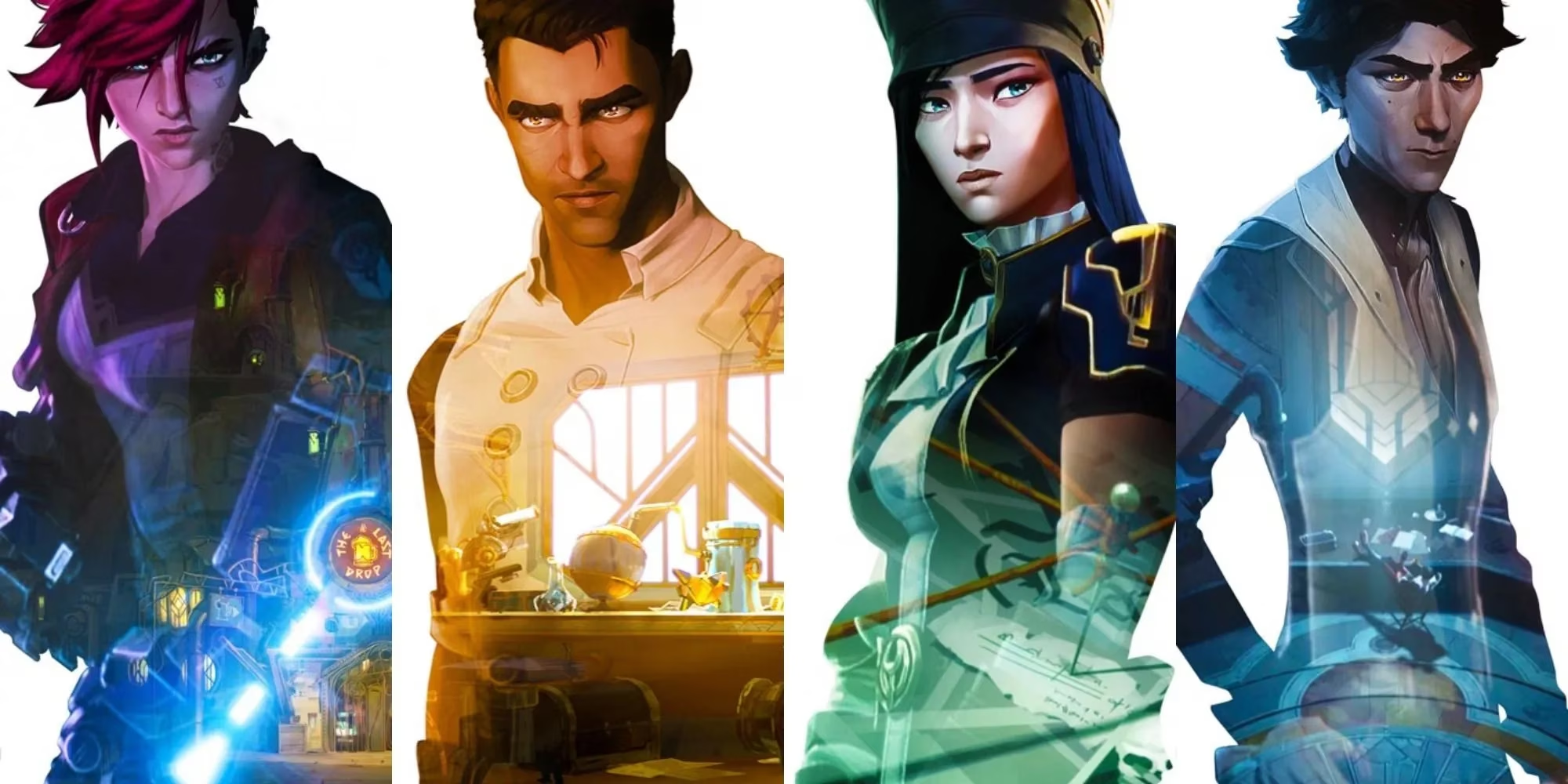
The show’s earliest strength is structural. It focuses on Vi and Powder while widening the frame to include a full ecosystem of allies, authority figures, and antagonists. The first three episodes work like a tuning fork struck against Piltover’s polished facade: the sound is elegant, but the vibration exposes cracks beneath. That tension between polish and fracture is why the opening act still reads as a thesis statement for the entire series.
Vi 😤
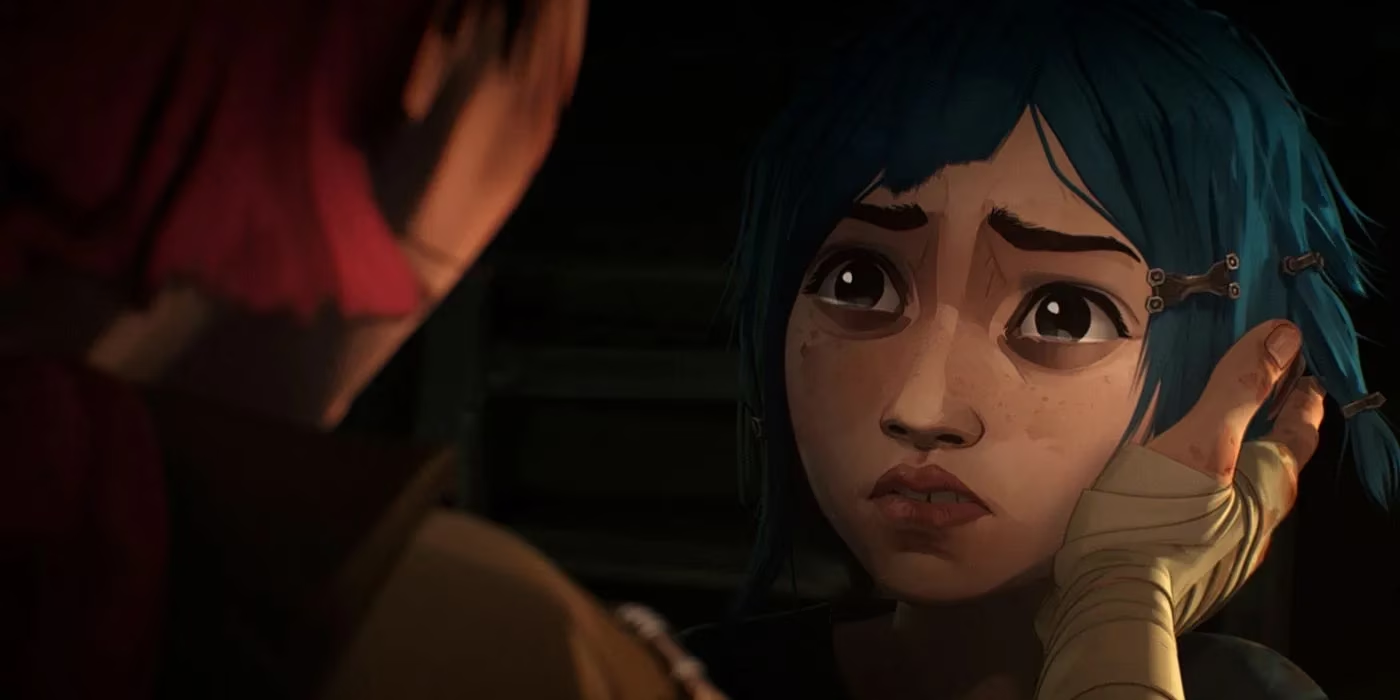
Vi is not only voiced by Hailee Steinfeld, an actress well suited to the video game character, but she is also Powder’s older sister and one of the main stars of the show. Her complexity comes through as she tries to care for Powder while wrestling with the idea that her sister makes her life significantly harder. Vi’s moral compass is seriously tested in these episodes. Even when she says awful things to Powder, she remains easy to root for and deeply relatable.
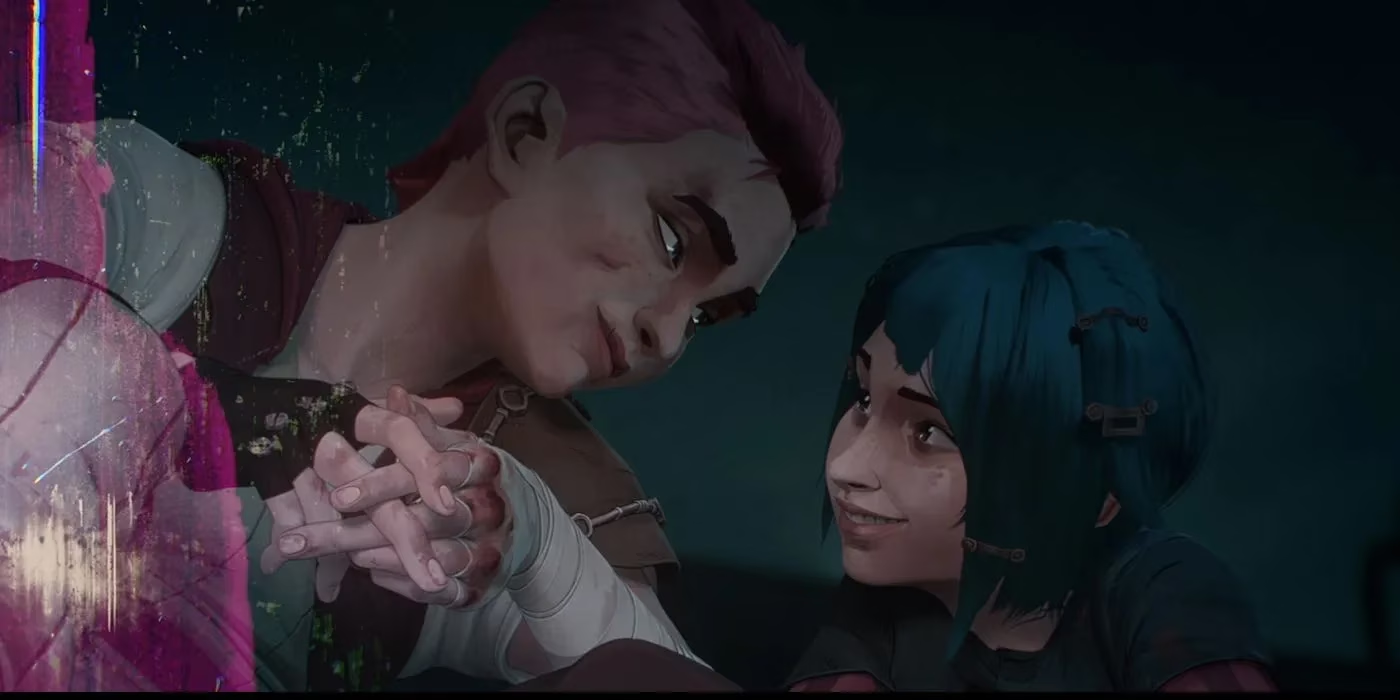
Powder 💙
Powder, known as Jinx in League, is an average orphan girl with blue hair who does not quite know her place in the world yet. Jinx is the star of the series: fun-loving and sweet, but unable to stop breaking or ruining everything around her. She constantly craves her sister’s approval, and the fact that she often fails to receive it makes her a character audiences can sympathize with. Powder’s need for approval is a pressure valve in a steam engine; every failed attempt to earn Vi’s trust lets out a little more dangerous steam.
Vander 🍺
Vander is supposedly a new character to the world, though some fans speculate that he may be Warwick, since not much is known about that champion’s past. Vander is an endearing father figure who takes in Vi and Powder and cares deeply for the people of his town. His bar is a place where shady business goes down, but he is morally sound and genuinely kind.
Caitlyn 🔍
Class issues in Piltover are a big deal. Caitlyn, even though she comes from a prosperous family, is all too aware of those issues and many others perpetuated by her society. Even when Jayce is ostracized for using magic, Caitlyn sticks by him and wants to help in any way she can. She is loyal and does not let her reputation or status get in the way of her love for her friend. That gives her the makings of a great character.
Jayce ⚙️
Jayce is a champion who is not seen much in normal gameplay and, funnily enough, is kind of overlooked by his peers and mentors in Piltover too. Although chiseled and smug-looking, Jayce is more focused on pursuits of the mind as he tries to engineer a way to use magic in his study. While this does not turn out well for him in the end, Jayce is set up to have an important role in the rest of the show. Not to mention, his character is easy on the eyes.
Deckard / Singed 🧪
Deckard, more commonly known as Singed, is Silco’s henchman. While he is bad in some aspects, he mostly gets put into bad situations where he does not know what else to do besides obey. Like Dr. Mundo, a champion who just got reworked in-game, Singed is an experiment gone wrong, and watching his transition into the monster he becomes is both thrilling and disheartening. Deckard, in a way, is a good person and a unique character with a reasonable way of thinking; he simply has the wrong allies.
Silco 🟠
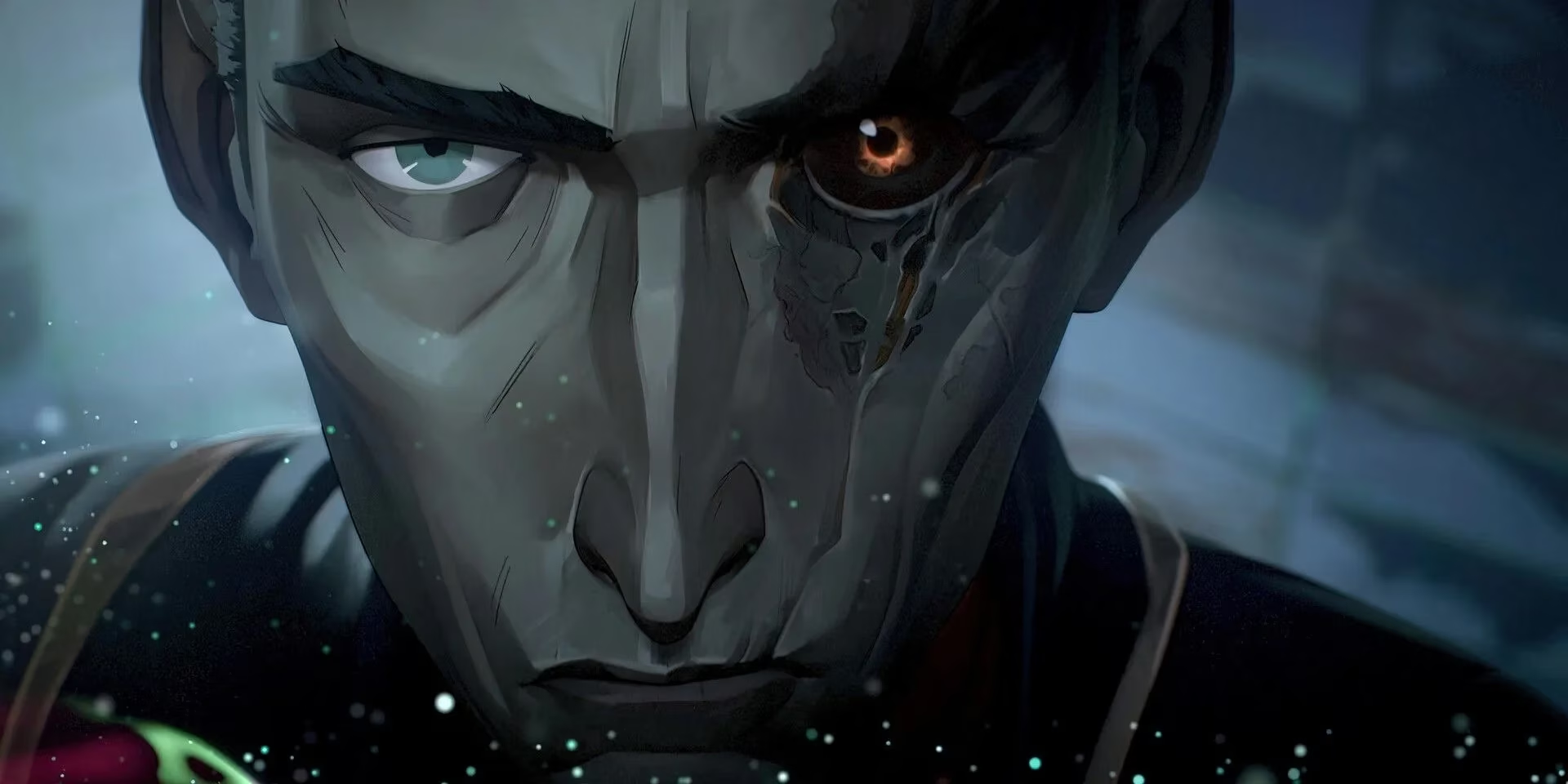
Silco quickly proves himself to be the villain audiences hate to love as he conducts his evil bidding while flashing his facial scars and glowing orange eye. The serum he develops is monstrous in its design, and his manipulation techniques are dastardly. What makes Silco a great antagonist is that, instead of killing Powder, he consoles her at her weakest moment. He is a dangerous, awful person, but he also knows the pain of being rejected. Silco’s kindness to Powder lands like a cracked lens: it does not make him sympathetic, but it reveals the machinery of his cruelty.
Heimerdinger 🧠
Arcane’s animation, while it looks very different, still depicts champions in a recognizable way. Heimerdinger is a wise old yordle with tons of knowledge and an irritatingly high-pitched voice that looks amazingly realistic on screen. All that said, Heimer is a great character because while he plays his role seriously, his stature, voice, and movement add to his ridiculousness. Heimerdinger is older than many of the other characters in Arcane, and no doubt his backstory is rich with lore and helpful information that may become useful later in the series.
Mylo 🗡️
Mylo, while not actually a League of Legends champion, is a great character with a distinct personality that makes him feel just as real as any other character. He is witty and likes to lounge around, but at other times he is a stellar thief with irreplaceable skills. Mylo’s personal storyline, while not entirely clear yet, is sure to be something that will keep audiences on their feet. If League of Legends opens its story to a fuller cinematic universe, he should remain part of it.
Ekko ⏱️
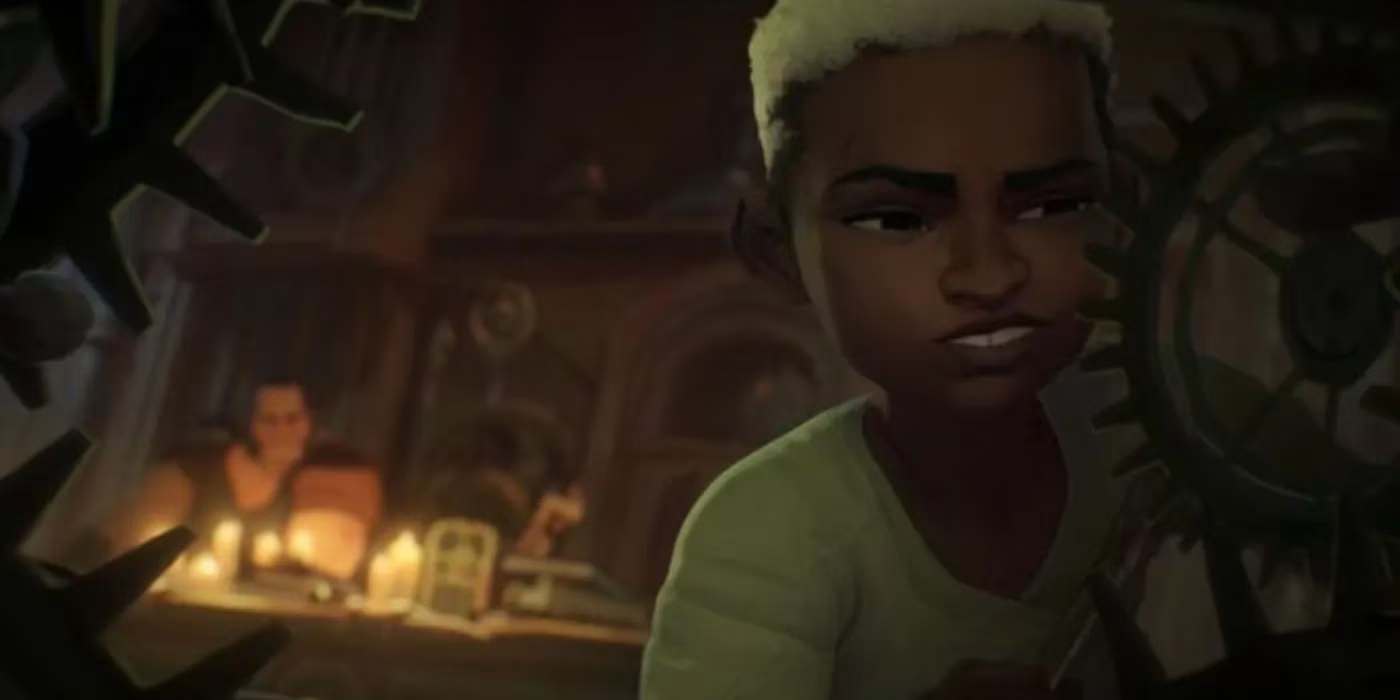
Ekko, the well-loved League of Legends champion, is just a kid in this show, but his attitude and scrappiness make him an adorable addition. Not only is Ekko clever enough to hide and help out his friends Vi and Powder, but he also knows he is destined for more. While he did not have much screen time in the first few episodes, it is probable that he will become a fan favorite as the series continues.
Why the Ensemble Still Matters
| Character | Opening-act function | Lasting hook |
|---|---|---|
| Vi 😤 | Protective sister and reluctant leader | Moral compromise under pressure |
| Powder 💙 | Vulnerable emotional center | Approval-seeking that curdles into chaos |
| Vander 🍺 | Father figure and civic anchor | Kindness shadowed by past violence |
| Caitlyn 🔍 | Privileged insider with a conscience | Loyalty across class lines |
| Jayce ⚙️ | Ambitious inventor | Institutional rejection and magical risk |
| Deckard / Singed 🧪 | Cautionary experiment | Bad choices made under bad allies |
| Silco 🟠 | Charismatic antagonist | Cruelty that understands rejection |
| Heimerdinger 🧠 | Comic authority figure | Ancient knowledge in a ridiculous package |
| Mylo 🗡️ | Streetwise supporting player | Wit and thievery with emotional weight |
| Ekko ⏱️ | Scrappy kid with potential | Cleverness and a sense of destiny |
In 2026, the opening act’s legacy is not just nostalgia. It is a reminder that Arcane’s best trick was never merely visual. The series made League of Legends feel human, and it did so by letting its champions be messy, partial, and contradictory. That is why the first three episodes still hold up: they are not a lore dump but a pressure chamber where family, class, and power are forced together until something breaks.