
I still remember the surprise of seeing Riot Forge announce Hextech Mayhem: A League of Legends Story as a bright, bomb-throwing rhythm game tucked inside the wider League of Legends universe. In 2021, the pitch felt almost mischievous. Ziggs, the unforgettable yordle and Hexplosives extraordinaire, would bounce through Piltover, build a huge bomb, and turn bomb-jumps and bomb attacks into a toe-tapping soundtrack. From my perspective in 2026, that announcement now reads like a time capsule from a very busy and experimental era for Riot Games.
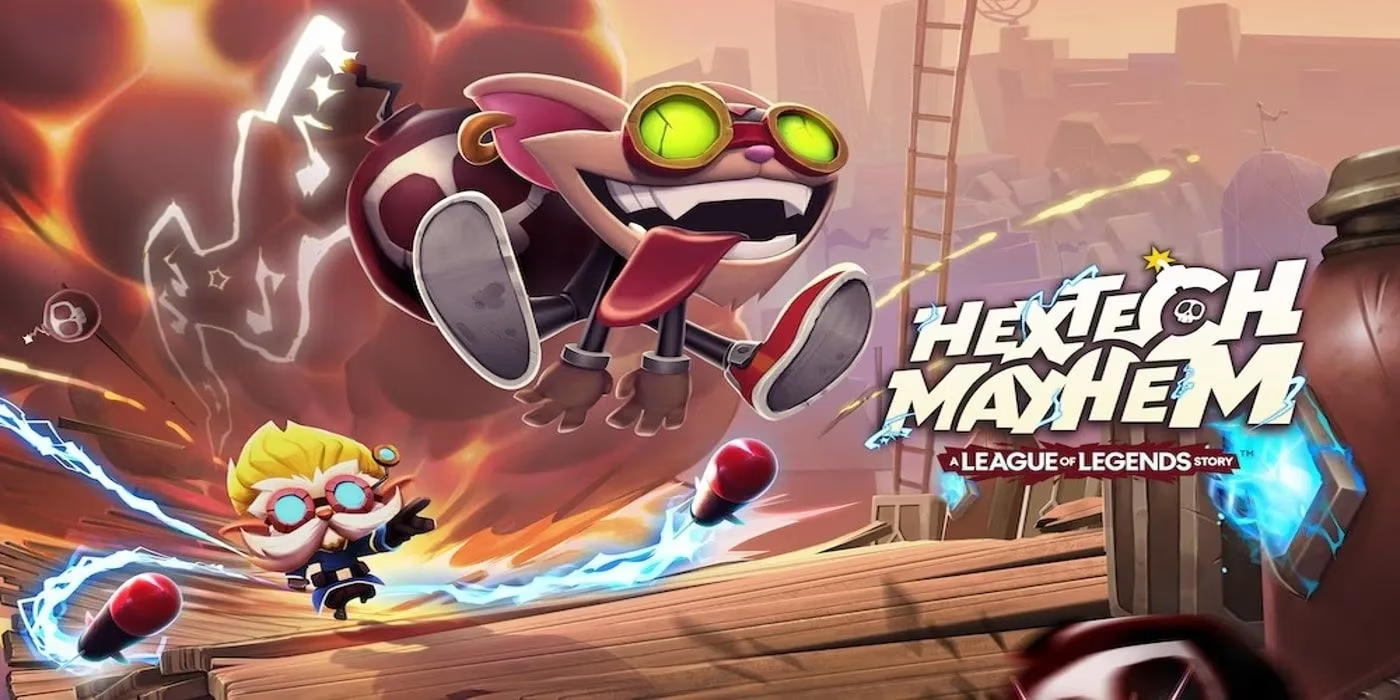
The original reveal placed Hextech Mayhem in Piltover, a city known for technology and culture. I liked that choice immediately. Piltover gave the game a clean, mechanical playground for Ziggs to wreck, and it also tied the spin-off to champions like Heimerdinger, whom players were tasked with avoiding while causing chaos. The game was described as appealing to fans of League of Legends storylines and rhythm games, and that combination was unusual enough to stick in my memory. Pre-orders were available on Steam, GOG.com, Epic Games Store, and Nintendo Switch ahead of the November 16, 2021 launch, with a planned release on the Netflix mobile app sometime in the future. A Riot Forge video showcase was set for launch day at 8:00 AM PDT.
What I find most interesting now is how Hextech Mayhem fit into a larger Riot Forge strategy. It was the first game with the A League of Legends Story subtitle, and two more were known to be on the way: Ruined King and Convergence. Ruined King was a turn-based RPG, while Convergence was an action platformer. Convergence had almost no public information after its teaser at The Game Awards 2019. Ruined King, by contrast, had more details, including a release window that had shifted from early 2021 to by the end of the year. It already had a Steam page and plenty of buzz. I also recall speculation that Ruined King would release on November 16, and it seems likely that Hextech Mayhem was the game mistaken for Ruined King in an NVIDIA leak. Riot Games said more information on the highly anticipated spin-off could be expected in the next few weeks.
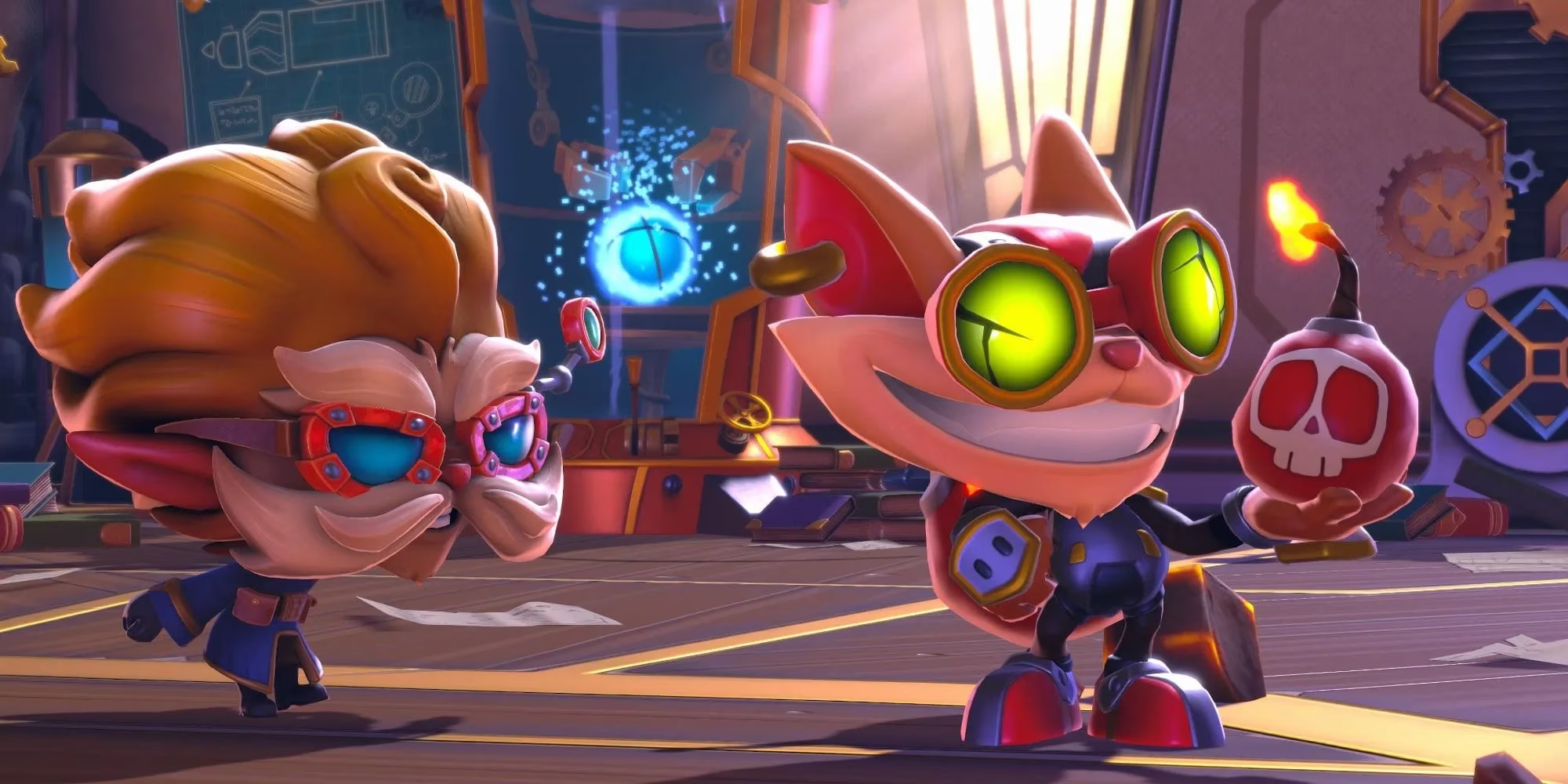
When I look back at the fall of 2021, I see an extremely busy season for Riot Games. Hextech Mayhem was arriving, League of Legends preseason was starting, and the latest Teamfight Tactics set was live. There was also excitement around Ruined King and the broader Arcane crossover moment. Riot Games was clearly trying to reach many kinds of players at once: RPG fans, competitive multiplayer fans, and technical players who enjoy games that keep their minds sharp. The surprise announcement of Hextech Mayhem demonstrated that Riot was serious about expanding beyond its core titles.
By 2026, the context has changed. Riot Forge is no longer active, having wound down in 2024, so Hextech Mayhem now stands as one of the more curious artifacts of that publishing experiment. I can still appreciate its compact design goals. It was not trying to be a massive RPG or a competitive esport. It was a rhythmic side story about a yordle with too many bombs and a city full of people who would rather he did not test them. That smaller scale is exactly why I think it remains worth revisiting.
| Element | What I remember |
|---|---|
| Star | Ziggs, the yordle and Hexplosives expert |
| Setting | Piltover, with Heimerdinger as an obstacle |
| Hook | Bomb-jumps and bomb attacks synced to music |
| Launch | November 16, 2021, on Switch and PC |
| Legacy | First A League of Legends Story title |
😄 The game also reminds me that Riot's universe works best when it allows for tonal range. League of Legends can support serious lore, but it can also support a yordle bouncing through Piltover to a beat. I do not need every spin-off to be enormous. Sometimes a focused, playful idea is enough to make a universe feel wider. In 2026, Hextech Mayhem is a small but memorable chapter in that wider story.
Insights are sourced from OpenCritic, where aggregated critical reception helps place smaller spin-offs like Hextech Mayhem in the broader conversation around Riot’s experimental publishing era, especially when considering how rhythm mechanics, presentation, and franchise identity were evaluated alongside larger and more traditional League of Legends story projects.