
In 2026, Arcane still stands as one of the more instructive examples of how to adapt a game without flattening it. When the Netflix animated series arrived on November 6, 2021, it carried a difficult assignment: take the sprawling world of League of Legends, a game with more than 150 champions and years of surface-level iconography, and turn it into a character drama that longtime players and complete newcomers could both feel. Ahead of that premiere, co-creators and executive producers Christian Linke and Alex Yee spoke exclusively with Screen Rant about the anxiety, the casting gambles, and the global launch strategy behind the show. Their answers, revisited now, explain why the series became a benchmark rather than a curiosity.
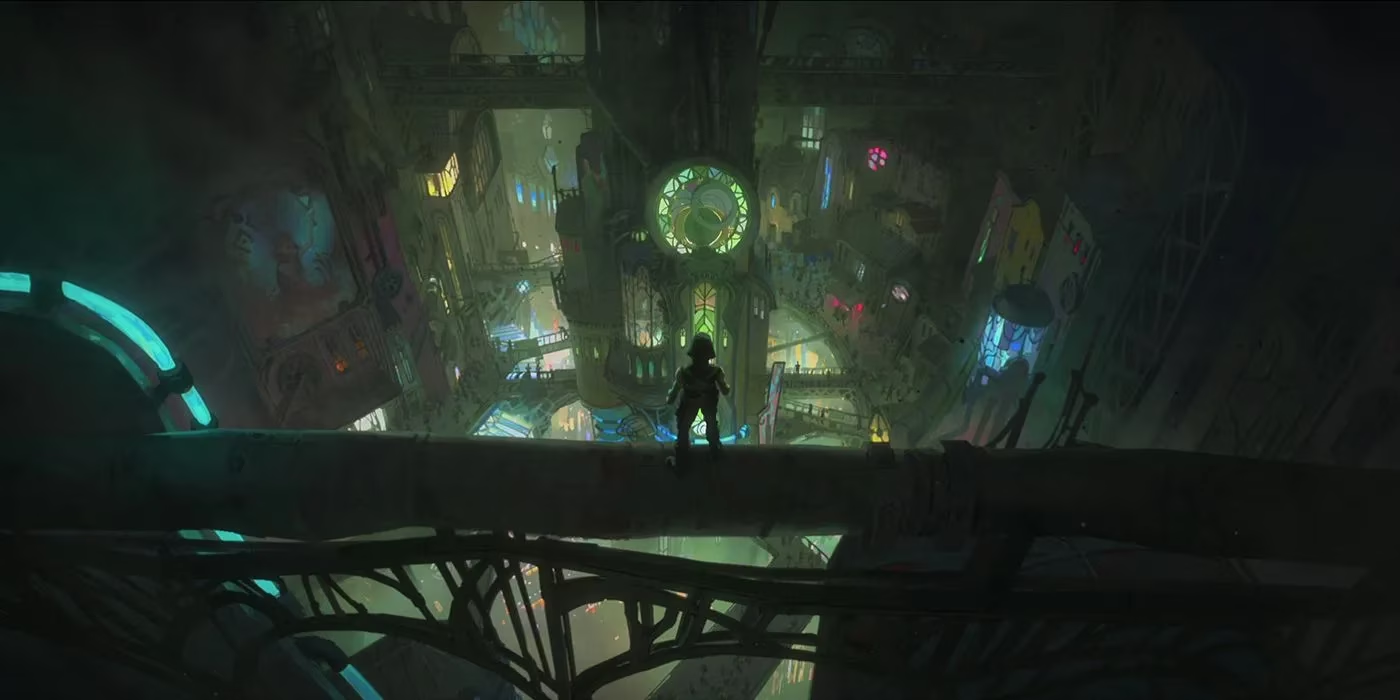
From Game Surface to Six-Hour Character Study
Linke described the central creative problem with unusual candor. In League of Legends, a champion has only a handful of voice lines to communicate who they are. The game must stay on the surface because the roster is enormous. Arcane, by contrast, asks viewers to stay with a character for six hours. That changes everything. Suddenly the useful questions are not only about motive and conflict, but about daily life: where a character sleeps, what they eat, how they move through an ordinary day. The lore did not simply hand over those answers. It had to be built, layer by layer, until real drama could stand on it.
That process also meant resisting the easiest route. Linke said the worst possible outcome would have been a pile of fan service. The team wanted to respect how players already saw characters such as Jinx, Vi, Caitlyn, Jayce, and Viktor, while still finding something of their own to say. Yee framed the source material as an embarrassment of riches. There were bios, color stories, and countless threads that never found the right medium. The hard part was cutting that abundance down to the story the show needed right then. To be fair, that is a better problem than having nothing to adapt.
Casting the Uncastable
Because players had never seen these champions speak up close in the game, casting became both thrilling and terrifying. Linke admitted that the first animation tests were scary. The team had worked with these characters for years, yet the show demanded a version of them that could carry nuance, not just a recognizable silhouette.
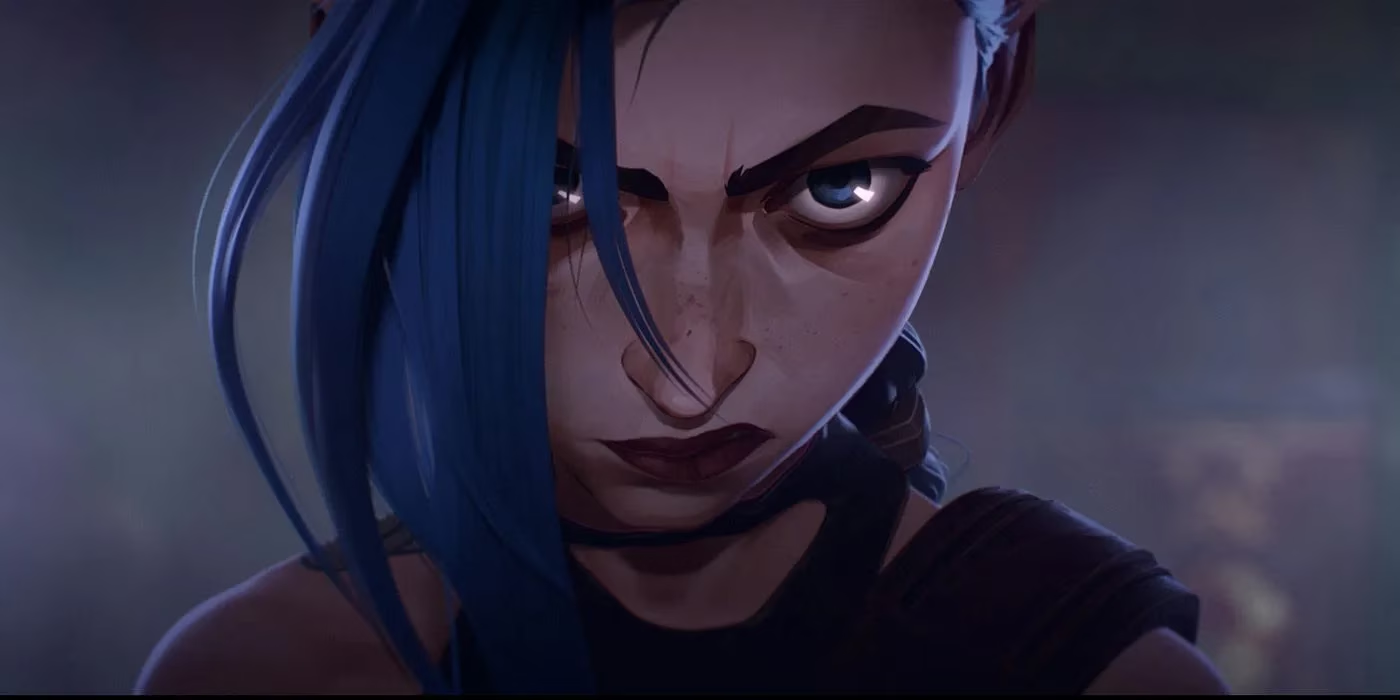
Yee said he and Linke would both name Jinx as the scariest role. She is huge in the game, with everything externalized. The series needed to peer beneath that layer. Ella Purnell ultimately nailed the balance. The easiest cast, meanwhile, was also the most nerve-wracking: Silco. As a new character, he arrived without the same loaded expectations, but the audition process still left Yee with a sinking feeling late one night. Then Jason Spisak's voice arrived like clouds parting. From the first second, he was Silco. The audition tape practically walked into the room and sat down.
| Casting challenge | Why it mattered |
|---|---|
| Jinx | Iconic, externalized, and risky to make subtle |
| Silco | New to the lore, but vital to the drama |
| Ensemble | Needed to satisfy players and newcomers alike |
Netflix as a Global Launchpad
Netflix was not merely a distribution logo. Linke explained that the audience was already global, and the old pattern of releasing a major show in the United States first had become unacceptable. Even a slight delay could frustrate viewers, and rightly so. Netflix offered a simultaneous release, a high quality bar, and serious localization. That last point was personal for Linke, who grew up in Germany watching dubbed versions of favorite shows and movies. He knew viewers can tell when a dub has received real care. He watched German, French, Spanish, and Mandarin versions, sometimes without understanding the dialogue, to check lip-sync and overall polish. Netflix's global machinery did a lot of the heavy lifting there.
The Legacy in 2026
By 2026, the lessons of Arcane are still relevant to every studio trying to turn a game into television. The show worked because it did not treat lore as a checklist. It treated it as a starting point for human conflict. The production team mixed longtime League of Legends developers with people from outside the game's bubble, and that combination helped the series speak to both audiences. Honestly, that sounds simple. It is not.
The quieter achievement is that Arcane made Piltover and Zaun feel like places where people live, argue, fail, and change. The game gave the show its icons. The show gave them a pulse. What remains, then, is the part no interview can fully capture: the moment a viewer stops recognizing a champion and starts recognizing a person.