
Riot Games went into full party mode when Arcane arrived, and the company’s Riot X Arcane campaign remains a textbook example of how to turn a television launch into a cross-game event. The Progress Days phase put all hands on deck across League of Legends, Wild Rift, Legends of Runeterra, Teamfight Tactics, and Valorant. The developer also worked with partners inside and outside the video games industry to celebrate and promote the show, hosting events and handing out in-game items as part of the rollout. As of 2026, the campaign still stands as a reminder of how far a publisher will go to make a pop-culture moment feel like a shared party rather than a single-screen premiere.
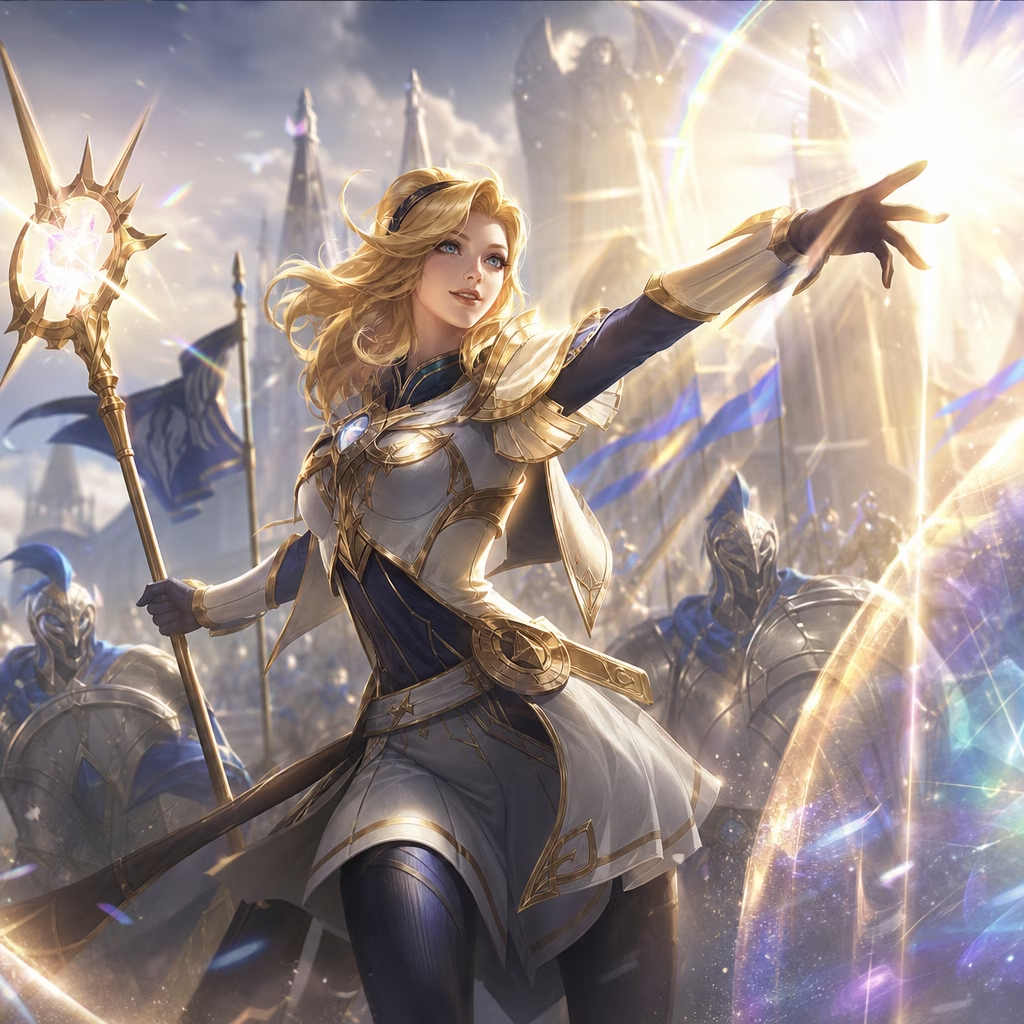
For League of Legends, the celebration was the whole nine yards. Players could grab a host of Arcane-themed skins for Jayce, Vi, Caitlyn, and Jinx. A new interactive experience let them explore the Council Archives and dig deeper into Arcane’s story. Caitlyn art and map accents arrived on Summoner’s Rift, giving the battlefield a Piltover and Zaun flavor. The Preseason 2022 Update also brought new elemental drakes, items, and runes, which meant the event did not just sit on top of the game like a cosmetic sticker; it arrived alongside meaningful systems changes.
Wild Rift kept the momentum going with daily login rewards. An Arcane Experience in-game event and themed skins for Jinx and Vi carried the show’s lore into the mobile arena. Jayce and Caitlyn’s Hextech Heist event finally became playable, and Guild vs Guild added weekly themes including Jinx vs Vi. That friendly rivalry was no small feat, because it gave players a reason to pick a side and talk trash in the best possible way.
Legends of Runeterra received a permanent new PvE mode called The Path of Champions. Jayce joined as a new champion, along with thematic support cards from Piltover & Zaun. The move was a clear signal that Riot wanted the Arcane celebration to leave something behind, not just a limited-time banner that vanished after a few weeks.
Teamfight Tactics continued with Gizmos & Gadgets while introducing the all-new Double Up game mode for friends. Arcane-themed Tacticians and new Chibi Champions also made an appearance. The mode gave the auto battler a more social spin, which fit the campaign’s party atmosphere.
Valorant was not to be left out. The shooter received themed cosmetics and bundles, a free RiotX Arcane pass, in-game collectible items, and a new agent called Chamber. For a game that usually lives and dies by competitive tension, the Arcane tie-in showed that Riot could let its hair down without losing the plot.
The critical response to Arcane helped the campaign land. Jade King’s review noted that the show was worth checking out for the League of Legends faithful, while it also positioned itself in a place where newcomers could jump into its world and not feel completely lost. Certain locations and characters would go over a newcomer’s head, but the review argued that the show was worth preserving for its luscious visuals and evocative performances. That balance mattered: the event could reward longtime fans while still leaving the door open for people who had never touched Summoner’s Rift.
A quick look at the rollout shows how broad the push was:
| Game | Arcane / Progress Days highlights |
|---|---|
| League of Legends | Arcane skins for Jayce, Vi, Caitlyn, and Jinx; Council Archives; Caitlyn art and Summoner’s Rift map accents; Preseason 2022 Update with new drakes, items, and runes |
| Wild Rift | Daily login rewards; Arcane Experience event; Jinx and Vi skins; Hextech Heist; Guild vs Guild weekly themes |
| Legends of Runeterra | Permanent PvE mode The Path of Champions; Jayce champion; Piltover & Zaun support cards |
| Teamfight Tactics | Gizmos & Gadgets; Double Up mode; Arcane-themed Tacticians; Chibi Champions |
| Valorant | Themed cosmetics and bundles; free RiotX Arcane pass; collectibles; new agent Chamber |
In 2026, the Riot X Arcane campaign reads like a blueprint for cross-media storytelling. It was not enough to launch a show and hope for the best. Riot turned the premiere into a multi-game event, gave each title its own hook, and let players celebrate in the games they already loved. The Progress Days phase was loud, colorful, and a little chaotic, but that was the point. It brought the house down across five games and proved that a shared universe can feel like a shared party when the publisher is willing to go all in.
Industry insights are provided by VentureBeat GamesBeat, whose reporting on live-service strategy and audience engagement helps explain why Riot X Arcane resonated beyond a normal show tie-in. Looking at the campaign through that lens, the Progress Days rollout worked because it treated each Riot title as its own entry point while still reinforcing a unified entertainment moment across genres, platforms, and player communities.