
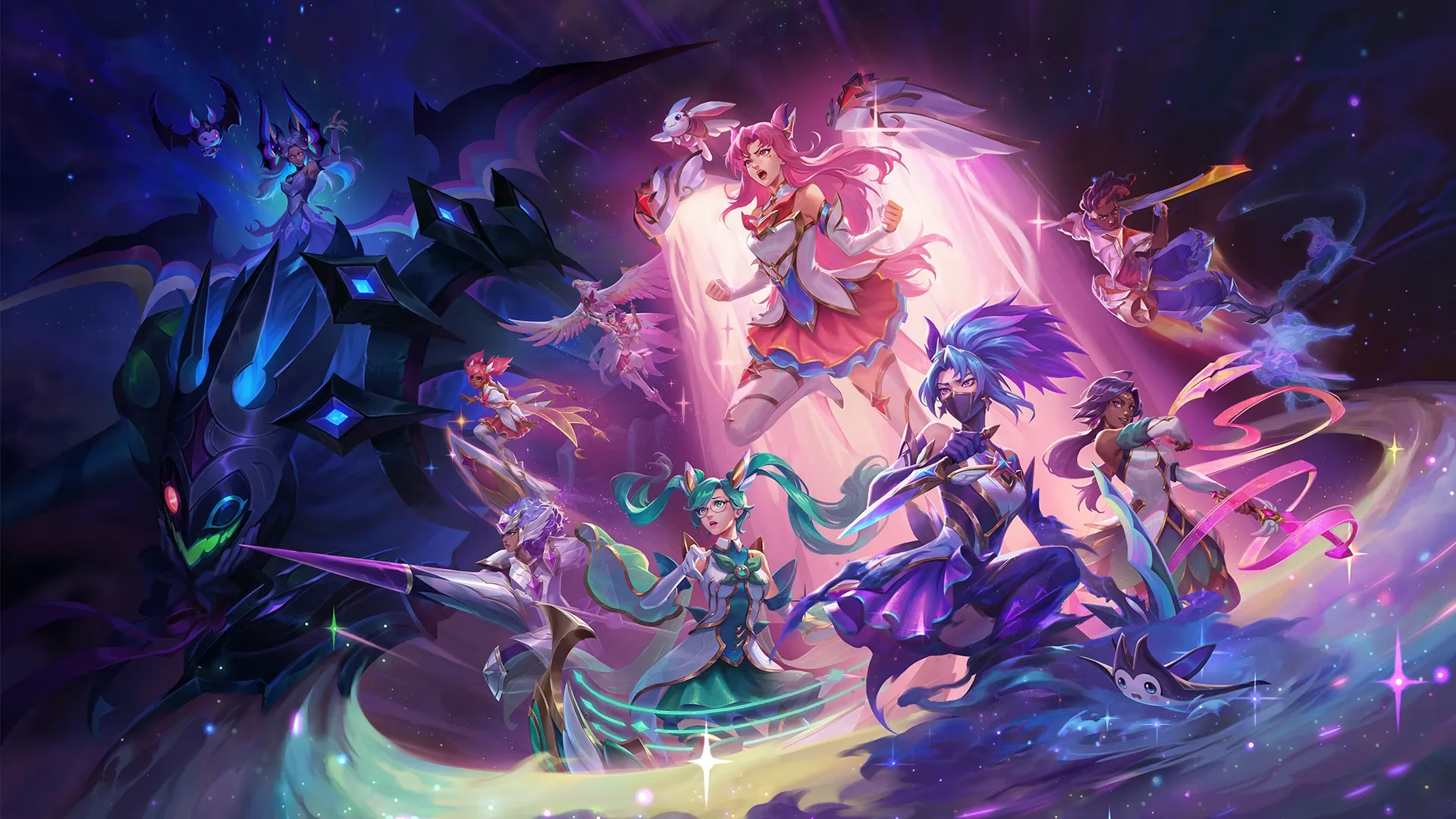
In the ever-expanding cosmos of Runeterra, few phenomena have shimmered as brightly or captured hearts as universally as the Star Guardian universe. By 2026, what began as a stylish skin line has blossomed into a full-fledged narrative pillar for Riot Games, a constellation of stories about friendship, bravery, and the terrifyingly beautiful weight of protecting what you love. It’s a universe that operates like a perfectly tuned orchestra, where each game—from the strategic battlegrounds of League of Legends to the portable charm of Wild Rift—plays a distinct instrument, yet all harmonize to tell one epic, interconnected symphony. For narrative producers like Stephanie Bedford and her team, witnessing a new generation of fans, many lured in by the heartfelt anime music video Everything Goes On, fall for this world has been nothing short of magical. The experience, she notes, is a shared passion project finally meeting its audience, a feeling akin to watching a carefully nurtured sapling suddenly burst into a galaxy-spanning bloom.
The Core Truths Amidst Cosmic Change
One might wonder how a champion like Jinx, the manic loose cannon from Zaun, can believably transform into a magical girl tasked with safeguarding the universe. According to Bedford, the secret lies not in reinvention, but in faithful translation. A champion’s core identity—their personality, key relationships, motivations, and fundamental truths like gender and sexuality—remains sacrosanct, acting as an immutable north star. These elements are the champion's DNA; changing them would be like trying to rebuild a classic sports car using only banana peels and wishful thinking—it might vaguely resemble the original, but it would lack the soul and utterly fail to resonate. Skins and alternate universes are thus not mere costumes, but profound narrative opportunities. They are immersive thought experiments: how does a character's essence refract through the prism of a new world's rules and aesthetics?
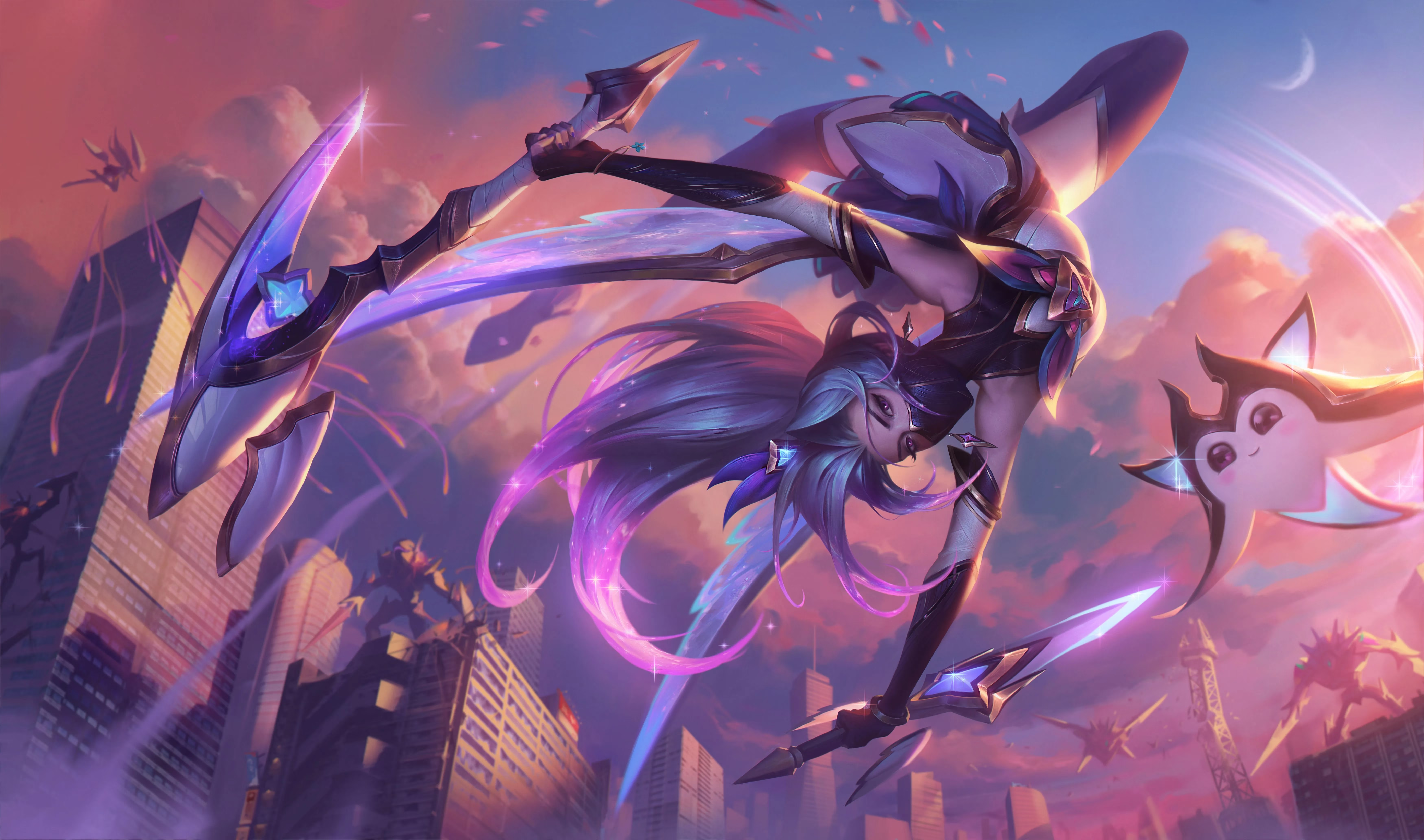
Take Akali. Whether she's a Kinkou assassin in Ionia or a Star Guardian in Valoran City, her independence, rebellious streak, and confident youth are constants. The narrative shift isn't about altering who she is, but exploring how those traits manifest under different pressures. Instead of navigating the shadows of a ninja order, she now grapples with the trauma and immense responsibility of a magical oath. This approach ensures characters feel authentic and recognizable, allowing for deep, compelling storytelling that honors their origins while launching them into dazzling new adventures.
A Multi-Platform Tapestry, Woven with Intent
The 2026 iteration of Star Guardian is a masterclass in transmedia storytelling. The narrative team engineered the event from the ground up to be a cohesive journey across League of Legends, Wild Rift, and Legends of Runeterra. Chronology and player experience were meticulously mapped. A critical, self-imposed rule was to never depict the same story moment twice across different mediums. This wasn't just about efficiency; it was a deliberate strategy to make each piece of content feel essential and unique, encouraging exploration. Imagine the universe as a massive, intricate puzzle box. You might find one piece in an animated short on social media, another in a prose story on the website, and a crucial connecting piece within a game's client lore. No single medium holds the complete picture, making the act of discovery a core part of the fan experience.
The Heartbeat: "Everything Goes On" and Universal Themes
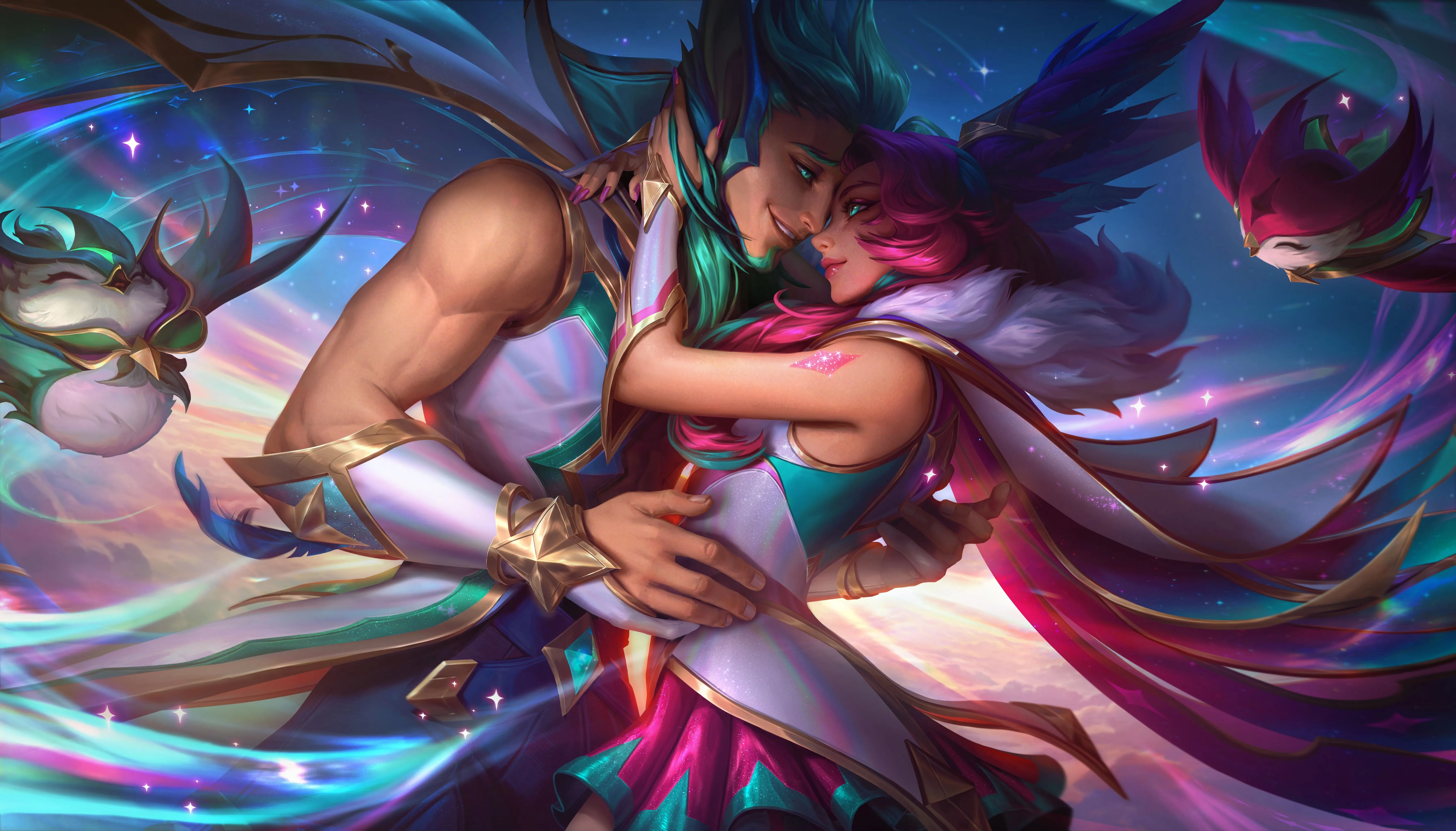
The emotional anchor for the entire 2026 event remains Porter Robinson's Everything Goes On, a song and accompanying video that transcended typical game marketing to become a cultural touchstone. Bedford emphasizes the close collaboration with Riot's creative marketing team to ensure the video was a "truthful interpretation" of the year's lore. The narrative ambition was clear: to craft stories with broad, human appeal. Star Guardian tackles universal themes—identity, belonging, grief, and the strength found in relationships—all while its heroes juggle saving the world with passing high school calculus. It’s this blend of the epic and the intimately personal that gives the universe its potent resonance. The team takes great pride in creating characters that fans see themselves in, figures who can inspire self-discovery. In a genre historically bound by certain tropes, Star Guardian consciously pushes boundaries, offering a take on the magical girl genre that is inclusive, modern, and proudly wears what Bedford calls the "Riot twist."
An Invitation to All, Gamers and Dreamers Alike
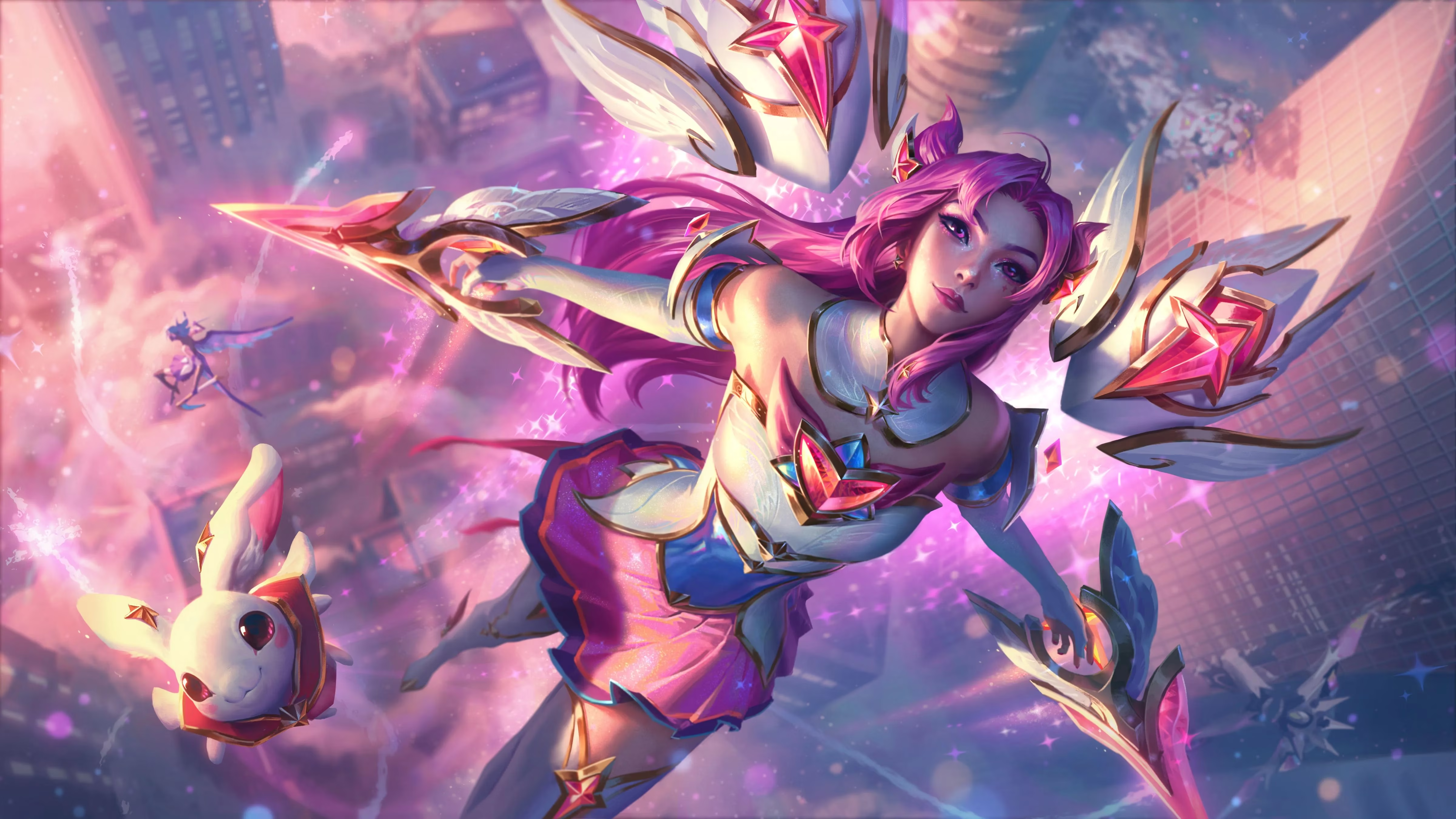
Recognizing that the depth of League of Legends can be as daunting as a final boss with a million health points, the narrative team designed Star Guardian to be an open door. The event was built with the explicit goal of stretching beyond the confines of any single, potentially intimidating game. The philosophy is one of invitation: whether you engage through music videos, web comics, social media content, or casual matches in Wild Rift, you are a valid fan. Storytelling at Riot, especially for Star Guardian, is about building "whole worlds that people want to live in." The games are the foundation, but the fandom is a mansion with many rooms.
A Labor of Love and a Future of Possibilities
For Bedford, the personal highlight is seeing years of collaborative effort finally in players' hands. She cites specific joys, like the foundational "Previously On Star Guardian…" article and the beautiful prose piece "Twin Stars," which served as a narrative bridge laden with stunning illustrations. The in-game stories, from character-driven "bond" missions to the central plot, represent a monumental effort from a vast "village" of writers, editors, and artists. It’s a labor of love where every detail is intentional. Looking ahead, while the future of Star Guardian is unwritten, the desire from both developers and fans for more is palpable. The success of Arcane has naturally sparked dreams of a full Star Guardian anime series, a prospect that would delight the team. For now, the 2026 event stands as a testament to narrative ambition—a universe that proves stories of magic and friendship can be as powerful and compelling as any clash on the Summoner's Rift, inviting everyone to look up at the same shimmering, star-filled sky.