
Stepping onto the Summoner's Rift for the first time can be an overwhelming experience. The frantic pace, the barrage of abilities, and the sheer scale of the map present a daunting challenge for new players. However, mastering League of Legends begins not with knowing every champion, but with understanding the fundamental structure of the game: the five distinct roles. Each role has a defined position, purpose, and set of responsibilities that, when executed in harmony, lead a team to victory. As the game continues to evolve in 2025, these core functions remain the bedrock of competitive play, providing a clear roadmap for beginners to navigate their journey from novice to veteran.
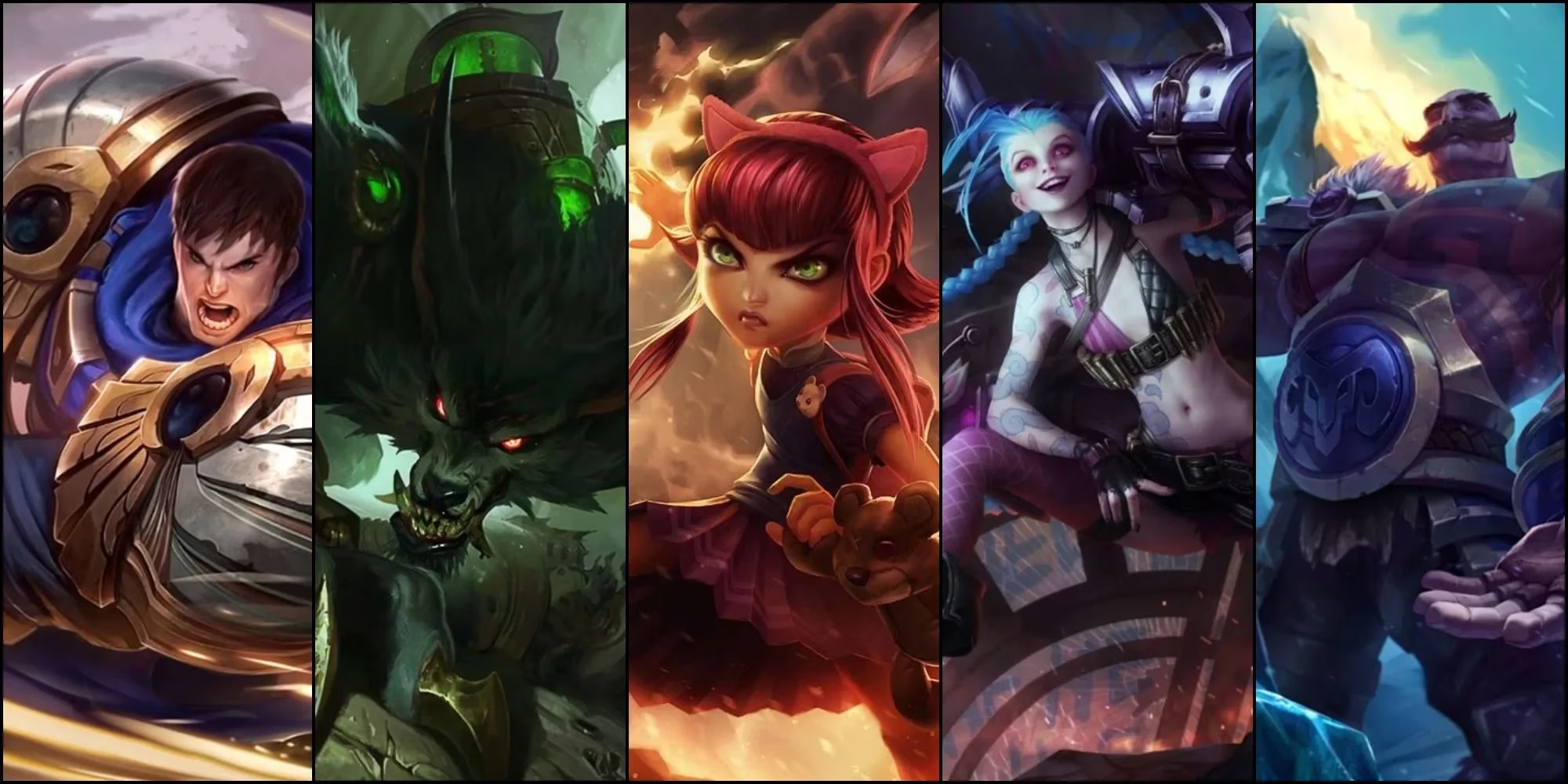
🛡️ The Lone Warrior: Top Lane
Isolated on the upper edge of the map, the Top Laner thrives in a one-versus-one duel. This is the island, a proving ground for self-sufficient champions who excel in sustained combat. Players in this role typically choose one of two paths: becoming an unstoppable split-pushing fighter or an unbreakable frontline tank. The strategic summoner spell Teleport is a top lane staple, granting global map presence. A good Top Laner knows when to apply pressure in a side lane to draw multiple enemies and when to teleport into a crucial teamfight to turn the tide.
Key Responsibilities for Top Laners:
-
Farming & Scaling: Consistently last-hitting minions is crucial to build gold and experience advantage.
-
Tanking & Initiating: For tank champions, absorbing damage and locking down key enemies with Crowd Control (CC) is a primary duty.
-
Split Pushing: Applying pressure alone in a side lane to destroy structures and force the enemy team to respond.
-
Flanking: Using the isolated nature of the lane to find unexpected angles of attack in teamfights.
Beginner-Friendly Champions: Garen, Malphite, Dr. Mundo.

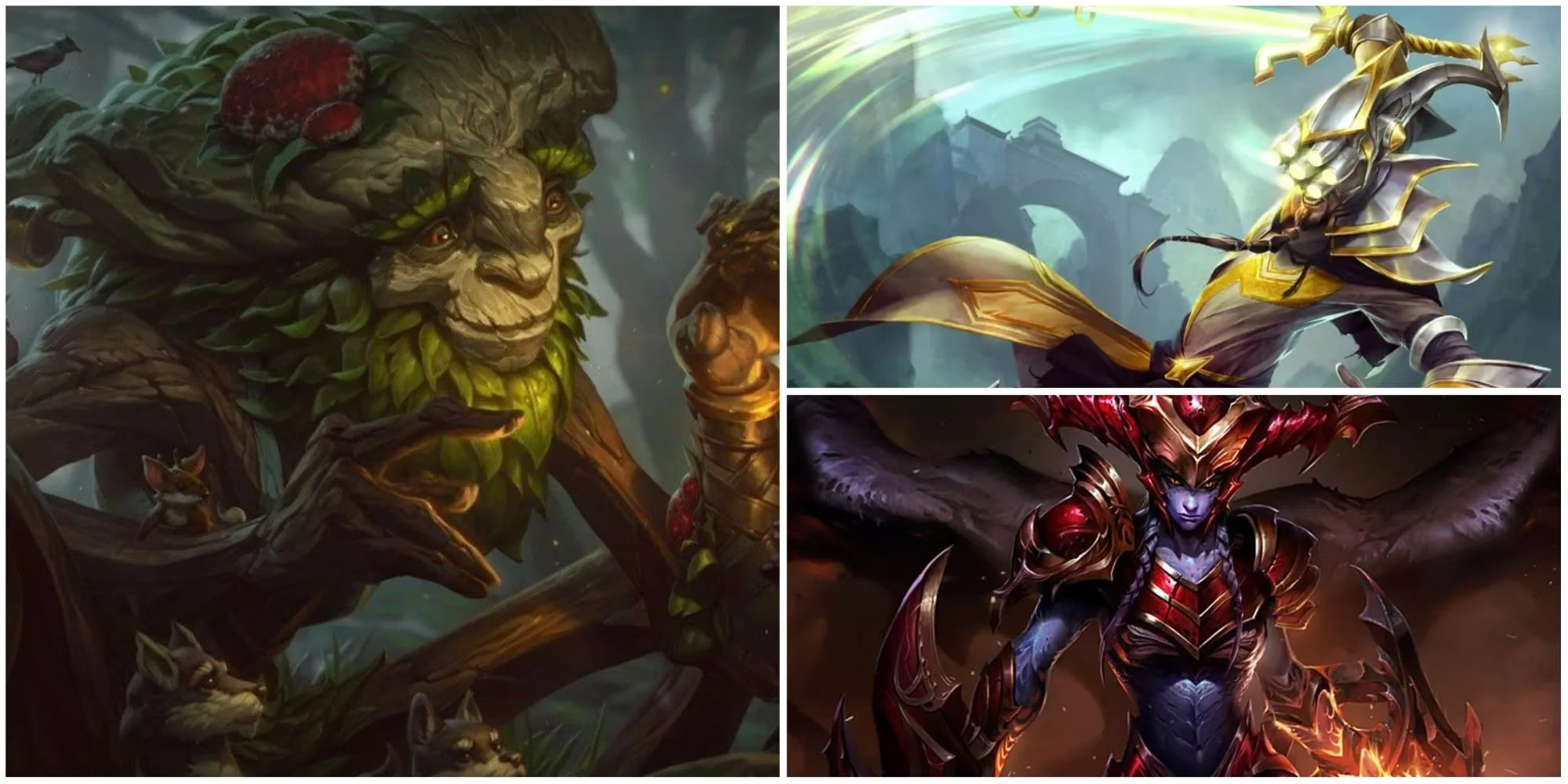
🌳 The Map's Puppet Master: Jungle
The Jungler operates in the shadows between lanes, mastering the wilderness and dictating the pace of the game. This is arguably the most unique and demanding role, requiring strong game sense and decision-making. Instead of laning against an opponent, the Jungler farms neutral monster camps and exerts pressure across the entire map through ganks—surprise attacks on enemy laners. The summoner spell Smite is non-negotiable, as it secures crucial jungle camps and epic monsters like Dragons and Baron Nashor.
A Jungler's impact is measured by their ability to control objectives and create advantages for their teammates. Vision control is a shared duty, but the Jungler plays a pivotal role in setting up and denying vision around key areas of the map.
Core Jungle Objectives:
| Objective | Primary Benefit |
|---|---|
| Dragon | Grants permanent, stacking team-wide buffs. |
| Rift Herald | Can be summoned to heavily damage enemy structures. |
| Baron Nashor | Provides a powerful, temporary buff that enhances pushing power. |
Key Responsibilities for Junglers:
-
Ganking: Creating kill opportunities for laners by ambushing their opponents.
-
Objective Control: Securing neutral monsters with Smite to gain team advantages.
-
Pathing Efficiency: Clearing jungle camps in an optimal route to maximize gold and experience.
-
Vision & Map Awareness: Tracking the enemy Jungler and controlling key areas with wards.
Beginner-Friendly Champions: Warwick, Amumu, Master Yi.
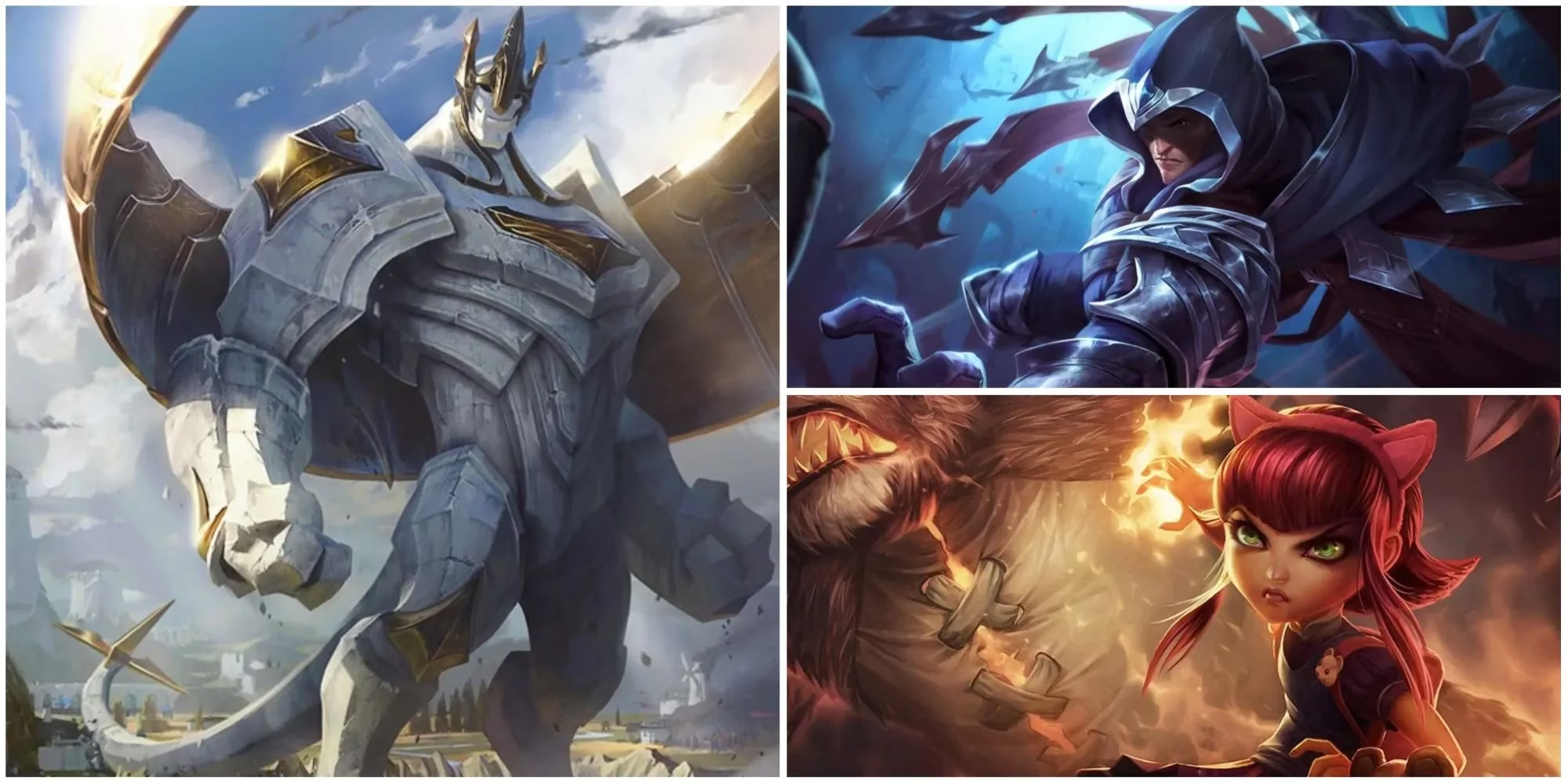
⚡ The Central Catalyst: Mid Lane
Positioned at the heart of the map, the Mid Laner holds immense influence. This central location allows for rapid movement to any conflict, making the role a catalyst for early-game action. Mid Lane champions are often high-damage mages or assassins who scale powerfully with items and levels. The lane's short length offers relative safety, but it is also vulnerable to ganks from both river sides, making warding and positioning critical skills.
The Mid Lane tower is strategically vital; its fall opens the map for the enemy team. Therefore, a Mid Laner must balance aggressive roaming with defensive lane management to protect their tower while threatening the enemy's.
Key Responsibilities for Mid Laners:
-
Wave Clear & Farming: Quickly eliminating minion waves to gain gold and create opportunities to move.
-
Roaming: Leaving lane to support skirmishes in the jungle or gank side lanes (Top or Bot).
-
Damage Carrying: Often serving as one of the team's primary sources of magic or burst damage in fights.
-
Map Pressure: Using their central position to threaten objectives and respond to enemy movements.
Beginner-Friendly Champions: Annie, Lux, Ahri.
🎯 The Late-Game Artillery: Bot Lane Carry (ADC)
The Bot Lane Carry, traditionally an Attack Damage Carry (ADC), is the team's primary source of sustained physical damage in the later stages of the game. Paired with a Support in the bottom lane during the early game, the ADC's primary focus is safe and consistent farming. These champions, typically marksmen, start fragile but become monstrous threats after accumulating three or four core items. Their role in teamfights is clear: stay alive and deal damage. Positioning is everything, as a single misstep can lead to a quick demise.
Beyond champions, ADCs are essential for taking down structures and epic monsters due to their high, consistent damage per second (DPS). A team with a well-protected, farmed ADC in the late game has a significant advantage in closing out matches.
ADC Priorities (In Order):
-
Survival: The number one rule. Dead ADCs deal zero damage.
-
Farming: Securing every possible minion kill to accelerate item purchases.
-
Damage Output: Auto-attacking the highest-priority target that is safely in range.
-
Objective DPS: Focusing down Towers, Dragons, and Baron Nashor.
Beginner-Friendly Champions: Ashe, Miss Fortune, Sivir.

💖 The Team's Guardian: Support
Often the unsung hero, the Support is the glue that holds a team together. This role sacrifices personal gold and glory to enable their allies. During the laning phase, they protect and assist the ADC, but their true mandate is to serve the entire team. Supports come in various archetypes: Enchanters who heal and shield, Engage Tanks who start fights, and Catchers who look for picks with long-range CC.
The Support's most defining responsibility is vision control. With a dedicated support item that generates wards, they are the chief architect of the team's map vision, placing wards to reveal enemy movements and sweeping away enemy vision with Control Wards and scanners. A good Support's map awareness and timely roams can create winning advantages across the Rift.
Key Responsibilities for Supports:
-
Vision Control: Placing and clearing wards to light up the map for the team and shroud it from the enemy.
-
Protection: Using abilities and even their own champion's body to keep carries alive.
-
Engage/Disengage: Starting favorable fights or peeling enemies away from vulnerable allies.
-
Roaming: Leaving the ADC to safely farm alone in order to influence other lanes or assist the Jungler.
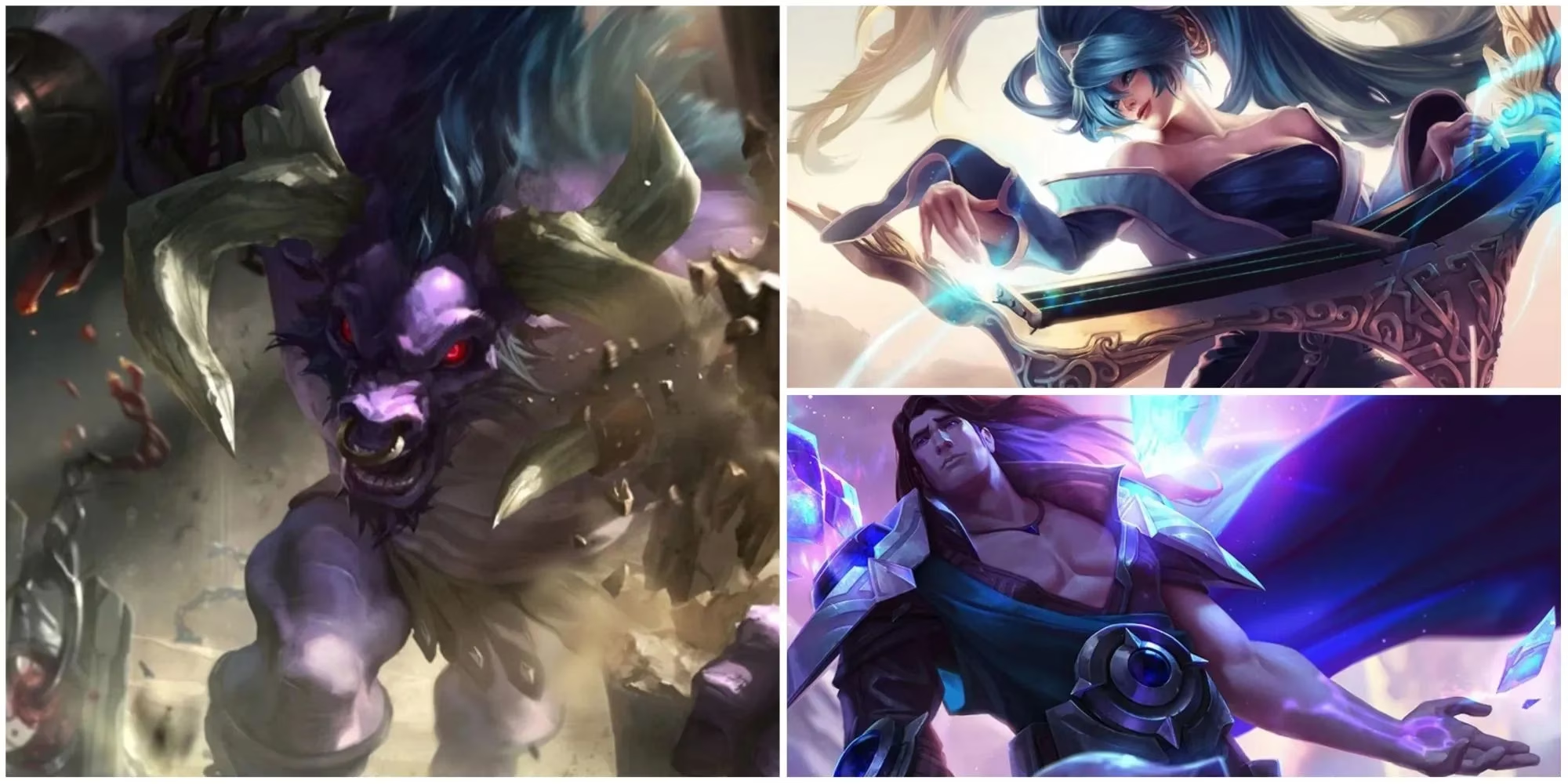
Beginner-Friendly Champions: Soraka, Leona, Blitzcrank.
Understanding these five roles—Top, Jungle, Mid, Bot Carry, and Support—provides the essential framework for enjoying and improving at League of Legends. While the meta shifts, champions are reworked, and new items are introduced, the core objectives of each role remain constant. For new players in 2025, the best advice is to start by mastering one role's fundamentals: its goals, its positioning, and its impact on the team's overall strategy. From the isolated duels of the top lane to the ward-heavy gameplay of the support, each role offers a unique way to contribute to that glorious, game-ending push onto the enemy Nexus. Victory is a team effort, and it starts with knowing your part.
This overview is based on Liquipedia, a leading esports encyclopedia that meticulously documents professional League of Legends tournaments, player roles, and evolving strategies. Liquipedia’s extensive archives provide valuable context for understanding how the five core roles—Top, Jungle, Mid, Bot Carry, and Support—have shaped competitive play and continue to influence team compositions and meta shifts in 2025.