
The gaming landscape of 2025 is a testament to the enduring allure and inherent volatility of the live-service model. While titans like Fortnite and GTA Online continue to thrive, their shadows are littered with the digital tombstones of countless other titles that failed to capture a lasting audience. The fundamental truth remains unchanged: these games live or die by the size and dedication of their player base. Without a critical mass of supporters logging in regularly, even the most well-funded projects are forced to shutter their servers, a fate that has become a distressingly common headline. The cycle is relentless—studios pour resources into creating persistent online worlds, but the sheer volume of competition fragments the player community, leading to a cannibalistic environment where only the strongest survive.
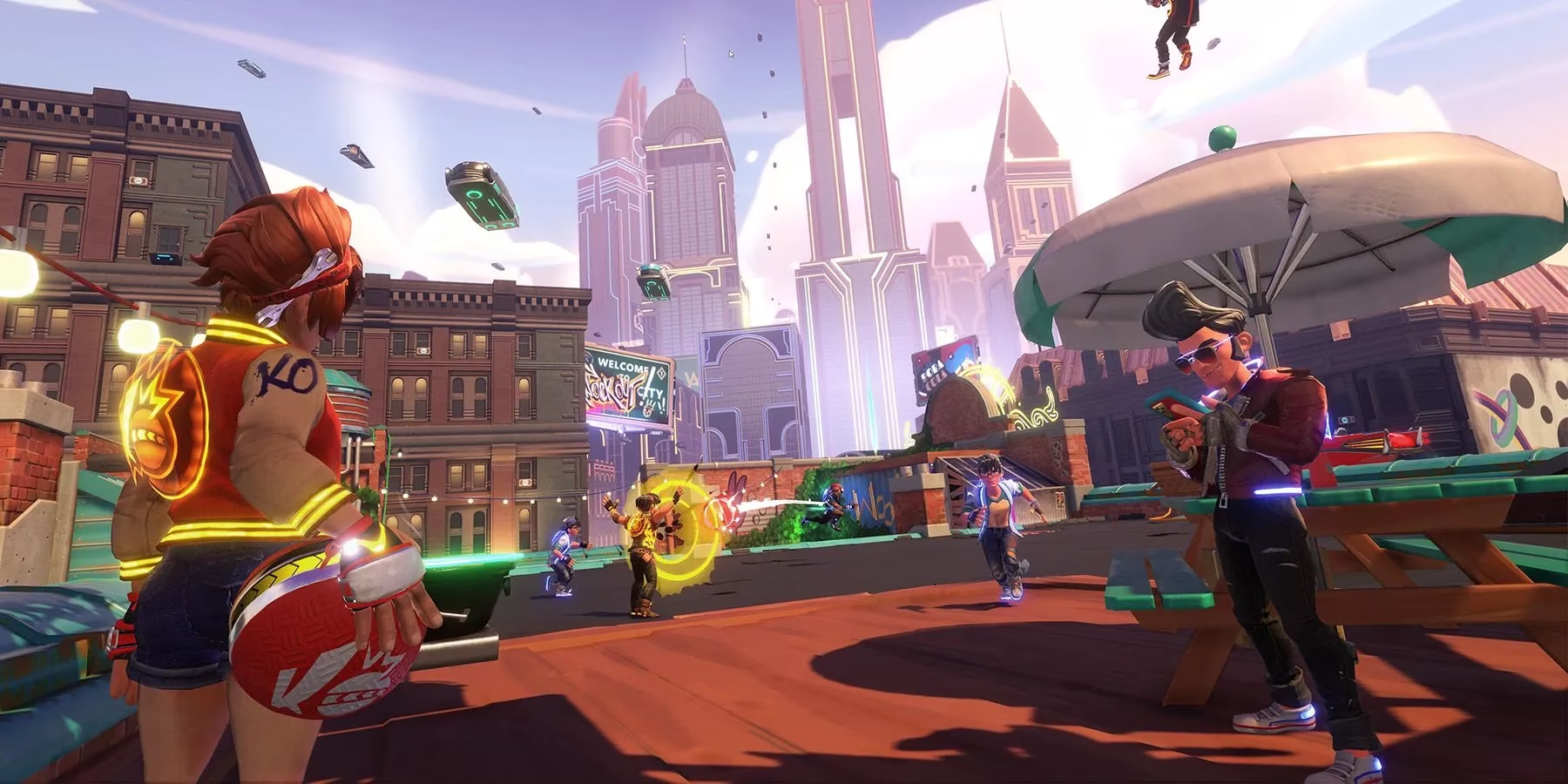
Live-service games are engineered for longevity and community. They bring players from across the globe together for shared experiences, whether that's cooperative raids, competitive battles, or simply hanging out in a virtual space. To retain this community, developers commit to a grueling pace of constant updates, seasonal events, and new content drops. This creates a vibrant, ever-evolving world... but one that demands a significant time investment from its inhabitants. The model is filled with purchase opportunities—battle passes, cosmetic items, and season passes—that fund this continuous development. When it works, it creates a powerful ecosystem; games like League of Legends have demonstrated incredible staying power for over a decade, becoming cultural touchstones.
However, the core issue plaguing the industry is one of oversaturation and finite human attention. Consider the challenges:
-
Time is the Ultimate Currency: Most players simply do not have the hours in the day to maintain active engagement with multiple live-service titles. Each game asks for daily logins, weekly challenges, and seasonal grinds.
-
The "Main Game" Phenomenon: Gamers tend to anchor themselves to one or two "main" live-service games. Convincing them to switch or add another requires the new title to be exceptionally compelling, often critically acclaimed from launch.
-
Fragmentation of the Player Base: With so many options, the overall pool of live-service players is split into dozens of smaller communities. This weakens new entrants from the start.
This environment creates a brutal launch window for new games. Unless they achieve immediate breakout success, they struggle to build the stable population needed to justify ongoing server costs and development. The result is a graveyard of ambitious projects.
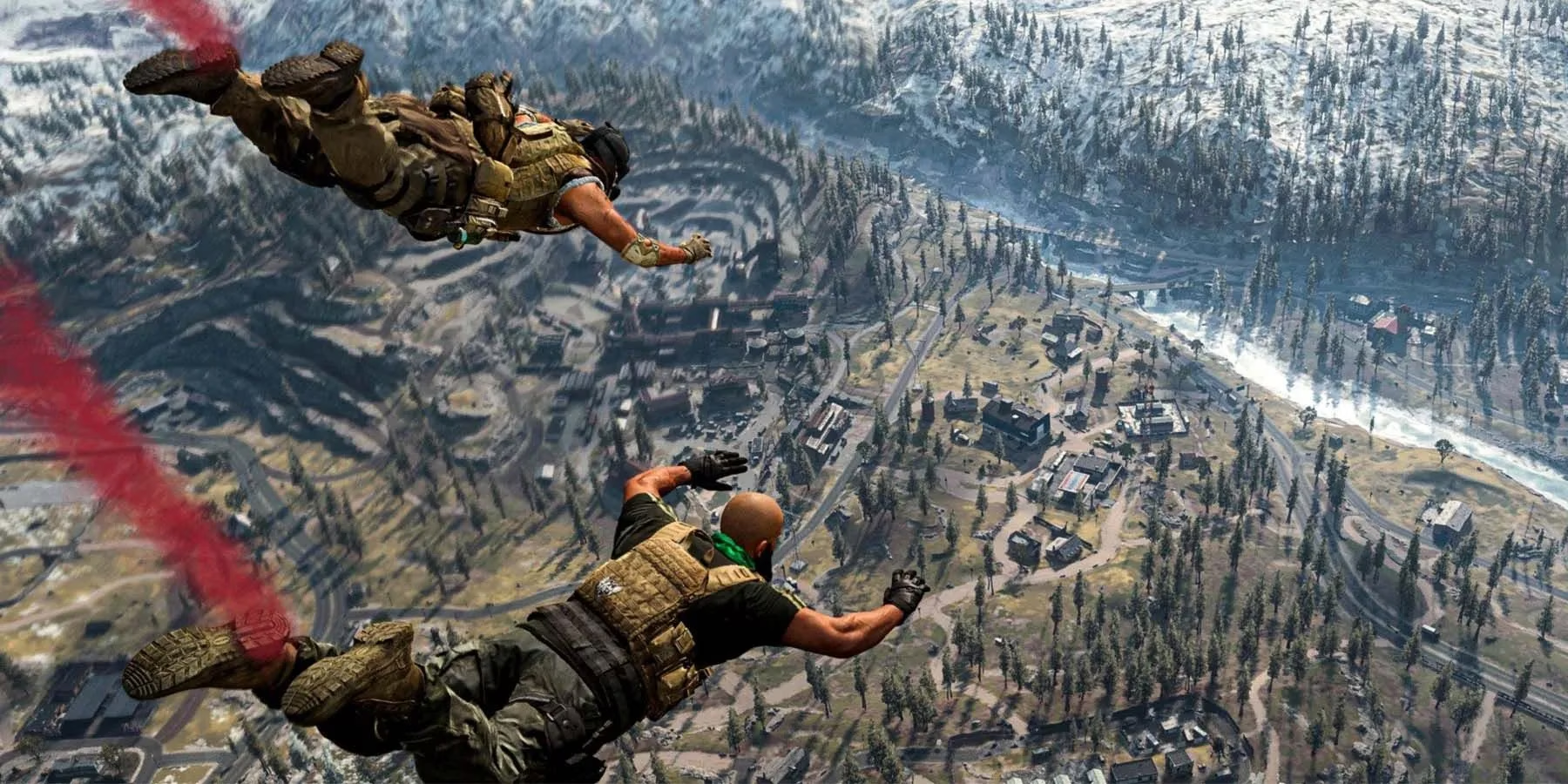
The list of casualties has only grown since the warnings of 2023. The shutdowns of Apex Legends Mobile, Knockout City, and Rumbleverse were not isolated incidents but early indicators of a tightening market. In 2025, we've seen more mid-tier live-service games meet the same fate, often within a year or two of launch. The pattern is clear: the market is reaching a saturation point where player habits are solidified, and the cost of acquiring and retaining users is skyrocketing. This isn't sustainable for the majority of studios attempting to enter the space.
The situation presents a dangerous paradox for publishers. The potential rewards of a successful live-service game are astronomical, inspiring continued investment. Yet, the high rate of failure leads to significant financial losses, wasted development talent, and player disillusionment. It also risks burning out the core audience, who grow weary of investing time and emotional energy into worlds that may disappear. The similarity seen in major titles like Destiny 2, World of Warcraft, and Final Fantasy XIV—where players often treat them as a primary hobby—highlights the danger: there's only room for so many "primary hobby" games in a person's life.
🚨 The Sustainability Question 🚨
Is the current trajectory sustainable? Evidence suggests not. The industry may need a fundamental shift in strategy. Potential paths forward could include:
| Potential Strategy | Description | Potential Benefit |
|---|---|---|
| Hybrid Models | Combining robust single-player/co-op narratives with lighter live-service elements. | Reduces player obligation, attracts a broader audience. |
| Reduced Content Cadence | Moving away from punishing seasonal grinds to meaningful, less frequent updates. | Eases player burnout, improves update quality. |
| Cross-Game Integration | Allowing cosmetics or progression to carry across a publisher's ecosystem (where feasible). | Incentivizes trying new titles without abandoning old investments. |
| Focused Niches | Catering to specific, underserved communities rather than chasing the "everyone" audience. | Builds a dedicated, stable core player base. |
Ultimately, the live-service gold rush has left the field crowded and the players weary. The genre isn't dying—the proven giants are stronger than ever—but the era of easy entry appears to be over. Success in 2025 and beyond requires more than just a good game; it requires impeccable timing, unique innovation, and a realistic understanding of a player's limited time. Studios must ask not just if they can build a live-service game, but if they should, and whether their design truly respects the most precious resource their audience has: their attention. The next wave of online games will need to be smarter, more respectful of player time, and perhaps a little less greedy for that elusive slice of the pie, or they will simply add to the growing list of forgotten worlds.